The Infrastructure of Joy: Mastering the Unglamorous Details That Keep Your Wedding Day Running
There is a version of wedding planning that lives entirely in the realm of beauty — in fabric swatches and floral palettes, in monogram choices and menu tastings. It is a genuinely pleasurable version of the process, and it produces the images that will hang on your walls for decades. But there is another version of wedding planning, less discussed and considerably less photogenic, that determines whether those beautiful moments actually unfold the way you've imagined them.
This is the domain of logistics. It is the territory of parking lot capacity and coat check staffing, of restroom-to-guest ratios and shuttle departure intervals, of signage placement and vendor load-in windows. It is, in the experience of professional wedding coordinators, the domain that most reliably separates a celebration that feels effortless from one that feels — despite its beauty — vaguely strained.
Why Invisible Details Carry Visible Weight
Guests rarely articulate logistical friction in explicit terms. They do not leave a reception thinking, "The restroom queues were too long." What they experience instead is a diffuse, low-grade discomfort that colors their memory of the entire evening without ever attaching itself to a specific cause. Conversely, when logistics are handled with precision, guests move through the day with ease — and that ease creates the psychological conditions in which genuine joy becomes possible.
This is why experienced coordinators treat infrastructure planning with the same seriousness they bring to ceremony design. The details that no one photographs are, in a very real sense, the foundation upon which every photographed moment rests.
Arrival: The First Impression Before the First Impression
For most guests, the wedding experience begins not at the ceremony entrance but in the parking lot or at the point of arrival. This moment sets the emotional register for everything that follows — and it is one that couples frequently underplan.
Begin by honestly assessing your venue's parking capacity relative to your guest count. The standard assumption is that each vehicle carries approximately 1.5 to 2 guests, but this varies significantly depending on your guest demographic and whether alcohol will be served. If your venue's parking falls short, a shuttle service from a designated off-site lot is not merely a convenience — it is a hospitality decision. Guests who begin their evening frustrated by a parking situation that was entirely foreseeable will carry that friction into the celebration itself.
Beyond capacity, consider clarity. Is the path from the parking area to the venue entrance intuitive? Are there clearly visible directional signs at every decision point? Is there a staffed greeting presence — a coordinator's assistant, a valet attendant, or even a well-briefed family member — who can answer questions and orient arriving guests? These small provisions cost relatively little and return disproportionate dividends in guest experience.
The Flow of People Through Space
A wedding venue is, functionally, a system through which several hundred people move over the course of a multi-hour event. The efficiency and comfort of that movement depends on decisions made long before the wedding day.
Walk your venue with your coordinator at least once, specifically to map the guest journey. Where will guests transition from cocktail hour to the reception? Is that transition point wide enough to accommodate simultaneous movement, or will it create a bottleneck? Where are the restrooms relative to the dinner tables, and is that distance reasonable for elderly guests or those with mobility considerations? Where will guests go during the ceremony if they arrive late — and is there a designated entry point that does not disrupt those already seated?
Coat check is another frequently underestimated element. At fall and winter weddings across much of the United States, the majority of guests will arrive in outerwear. A coat check station that is understaffed or poorly positioned creates congestion at the entry point precisely when guests should be transitioning smoothly into the cocktail hour. Plan for sufficient staffing — typically one attendant per 75 to 100 guests — and position the station so that it can be accessed without obstructing the primary flow of foot traffic.
Restroom Capacity: The Calculation No One Wants to Make
Restroom capacity is one of the most consistently overlooked variables in wedding venue assessment, and its consequences are among the most immediately felt. The general industry guideline suggests a minimum of one restroom fixture per 35 to 40 guests for an event with alcohol service. Many historic venues, private estates, and non-traditional spaces fall significantly short of this ratio.
If your venue's existing facilities are insufficient, portable restroom trailers — which have evolved considerably from their construction-site origins and now include climate control, interior lighting, and finished interiors — are a practical and increasingly accepted solution. Your coordinator can identify reputable rental vendors in your area and ensure that placement does not interfere with the visual landscape of your event.
Anticipate peak demand windows as well. The period immediately following dinner service and immediately before dancing begins reliably generates the highest restroom traffic. If your timeline allows, a brief buffer between these transitions can prevent the kind of queue that, while temporary, leaves a lasting impression.
Vendor Logistics: The Choreography Behind the Curtain
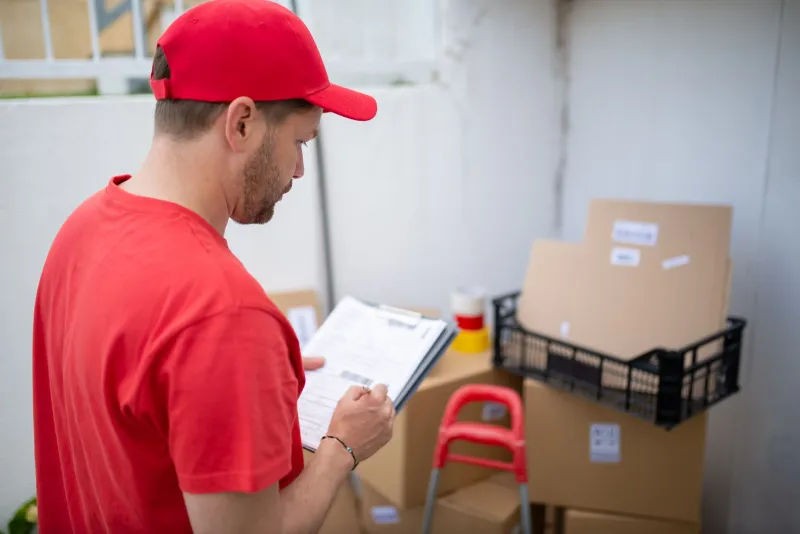
The vendors who serve your wedding — caterers, florists, musicians, photographers, lighting technicians — each require access to your venue at specific times and through specific points of entry. When these requirements are not coordinated in advance, the results range from minor inefficiencies to genuine conflicts that affect your timeline.
Request a detailed load-in schedule from every vendor prior to your wedding day. Share these schedules with your coordinator so that overlaps can be identified and resolved before they become problems. Confirm that your venue has adequate service entrances and that vendor vehicles have designated parking separate from guest parking. Establish clear protocols for vendor meals — most contracts require them — so that the catering team is not improvising this detail during dinner service.
Building the Brief That Protects the Day
The most effective way to ensure that these logistical details are properly addressed is to incorporate them into a comprehensive wedding day brief — a document that your coordinator maintains and distributes to all relevant vendors and venue staff in the days preceding the event.
This brief should include venue addresses and parking instructions for vendors, load-in windows and contact information for each vendor, the full event timeline with buffer windows built in, emergency contact numbers, and a clear chain of communication for day-of decisions. When every member of your team is operating from the same document, the margin for miscommunication contracts significantly.
None of this is glamorous. None of it will appear in your wedding album. But it is, in the truest sense, the infrastructure of joy — the invisible framework that allows every beautiful, luminous, photographed moment to exist exactly as you imagined it.