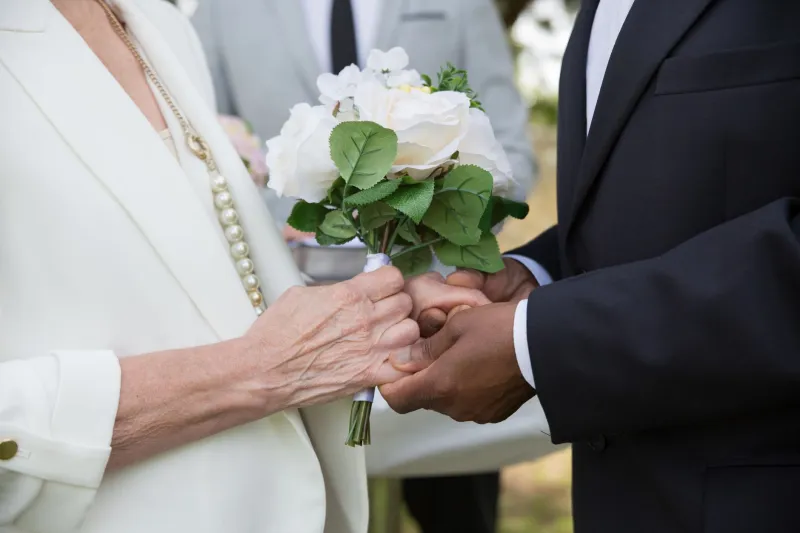
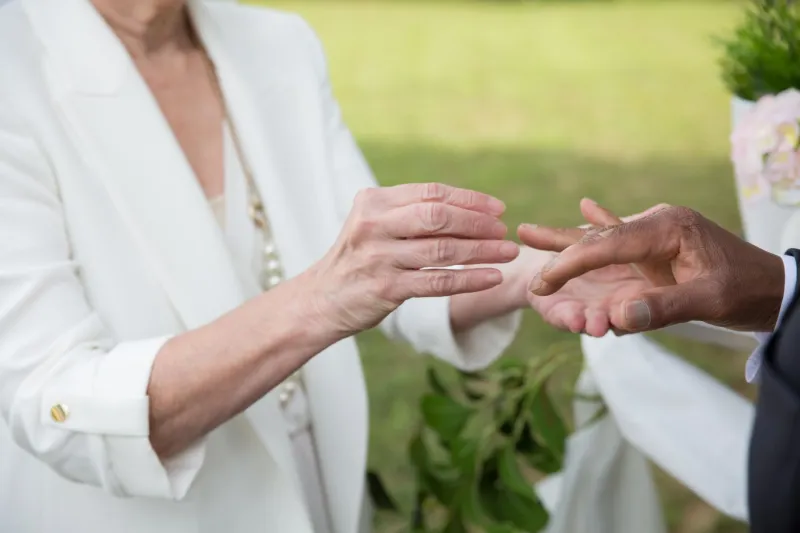
Welcoming Every Guest: The Inclusive Wedding Details That Transform a Celebration Into a True Gathering
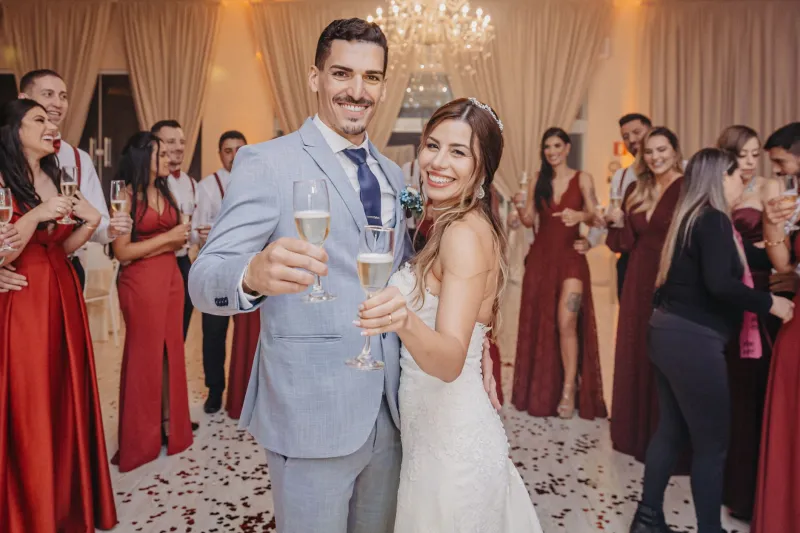
There is a particular kind of magic that happens when a wedding room feels whole — when grandparents move through the space with ease, when guests with dietary restrictions sit down to a meal that genuinely delights them, when a cousin with sensory sensitivities finds a quiet corner thoughtfully prepared just for her. That wholeness does not happen by accident. It is the result of deliberate, compassionate planning that extends the definition of "beautiful" far beyond what appears in photographs.
Inclusion is not a trend or a checkbox. It is the fullest expression of hospitality — and for couples who want their wedding to truly honor every relationship in the room, it deserves the same careful attention as the florals, the music, and the menu.
Start the Conversation Before the Invitation Is Sealed
The most effective accessibility planning begins well before the first guest arrives — it begins at the moment of invitation. Your RSVP process is one of the most powerful tools available to you, and most couples significantly underutilize it.
Rather than limiting your RSVP card to a simple headcount, consider adding a brief, warmly worded field inviting guests to share any needs that would help them fully enjoy the celebration. This might include mobility accommodations, dietary restrictions, allergies, or any other considerations. The language matters enormously here. Framing it as an opportunity for guests to help you care for them — rather than a clinical disclosure form — removes the stigma and encourages honest responses.
For guests who may require more detailed conversation, designate a single point of contact on your planning team who can follow up personally. A brief, private phone call can surface needs that no form would ever capture.
Mobility and Physical Access: Think Beyond the Ramp
ADA compliance establishes a legal floor, not a hospitality ceiling. Many venues that technically meet accessibility requirements still present real challenges for guests who use wheelchairs, walkers, or canes — or for elderly guests who simply need a little more time and space to move safely.
When touring venues, walk the full guest journey with fresh eyes. Consider the parking situation: Is accessible parking close to the entrance, or does it require a long traverse across uneven pavement? Are there steps between the ceremony and reception spaces? Where are the restrooms in relation to the main gathering areas, and are they genuinely navigable?
Beyond the physical infrastructure, think about seating arrangements. Reserve aisle seats for guests who may need to exit quietly or frequently. Ensure that guests who use mobility devices are seated where they have full sightlines to the ceremony — not tucked to the side where the experience feels secondary. Small gestures, like ensuring that cocktail hour high-top tables are complemented by an equal number of seated options, communicate care without drawing attention.
Dietary Inclusion Is Not a Footnote — It Is Part of the Feast
Food is love made tangible at a wedding. When a guest cannot safely or comfortably eat the meal placed before them, something far more significant than dinner is lost — they feel invisible at the very moment you most want them to feel celebrated.
Work closely with your caterer to develop a dietary accommodation process that is both thorough and discreet. Common allergens — tree nuts, shellfish, gluten, dairy — should be addressed proactively in menu design rather than handled as exceptions. Guests following halal, kosher, vegan, or other dietary frameworks deserve meals that are genuinely satisfying, not a sad arrangement of side dishes assembled as an afterthought.
Communicate clearly with your catering team about how accommodated meals will be identified and delivered. A quiet, seamless handoff to the appropriate guest is infinitely more dignified than a server loudly announcing the "special plate" across a table of ten.
Designing for Neurodivergence and Sensory Sensitivity
This is perhaps the most overlooked dimension of inclusive wedding planning, and it is one that affects a significant portion of your guest list — whether or not anyone has mentioned it. Guests with autism spectrum disorder, ADHD, anxiety disorders, PTSD, or sensory processing differences may find the typical wedding environment genuinely overwhelming: loud music, crowds, flashing lights, unfamiliar spaces, and unpredictable schedules can create real distress.
A few thoughtful adjustments can make a profound difference. Consider designating a quiet room — a smaller, calmer space away from the main reception where guests can decompress without missing the entire celebration. This serves not only neurodivergent guests but also nursing parents, guests managing chronic illness, and anyone who simply needs a moment to breathe.
Share your timeline and event flow with guests in advance. For many people, knowing what to expect and when dramatically reduces anxiety. If your reception will include unusually loud music or a pyrotechnic send-off, a brief note in your program or on your wedding website allows guests to prepare accordingly.
Lighting choices also matter more than most couples realize. Strobes and certain flickering effects can trigger seizures in guests with photosensitive epilepsy. A conversation with your DJ or lighting designer about alternatives costs nothing and could protect a guest's safety.
Communication as Hospitality: Your Wedding Website and Beyond
Your wedding website is not merely a logistics hub — it is the first act of hospitality you extend to your guests. Use it to proactively share information that helps people plan with confidence: venue accessibility details, parking specifics, the nature of the terrain (gravel paths, grass, cobblestone), what the weather might require, and how the event will flow from start to finish.
For out-of-town guests, consider including information about nearby accommodations at various price points. For guests who may have transportation limitations, coordinate a shuttle or carpool system and communicate it clearly. These details signal that you have thought about your guests' full experience — not just the moment they walk through the door.
Partnering With Vendors Who Share Your Values
Inclusive weddings require inclusive vendors. As you build your vendor team, ask direct questions about their experience with accessibility accommodations and diverse guest populations. A caterer who has never navigated complex dietary requirements with grace is not the right partner for a guest list that includes them. A venue coordinator who becomes impatient when discussing mobility needs will not serve your guests well.
The right vendors will welcome these conversations and bring their own expertise to the table. They will have navigated these situations before, and their experience will become part of your planning infrastructure.
The Standard You Set When You Choose to See Everyone
There is a version of wedding planning that focuses entirely on the couple — on their aesthetic vision, their emotional experience, their photographs. That version is understandable, and it produces beautiful celebrations. But there is a more expansive version that holds the couple's vision and their guests' full humanity in equal regard.
When every person in that room — regardless of how they move through the world, what they can eat, how their nervous system processes sound and light, or what chapter of life they are navigating — feels genuinely welcomed, the celebration achieves something photographs cannot capture. It becomes a true gathering. And that is precisely the kind of wedding worth crafting.