Honoring the People Who Shaped You: Designing Meaningful Roles for Your Closest Relationships on Your Wedding Day
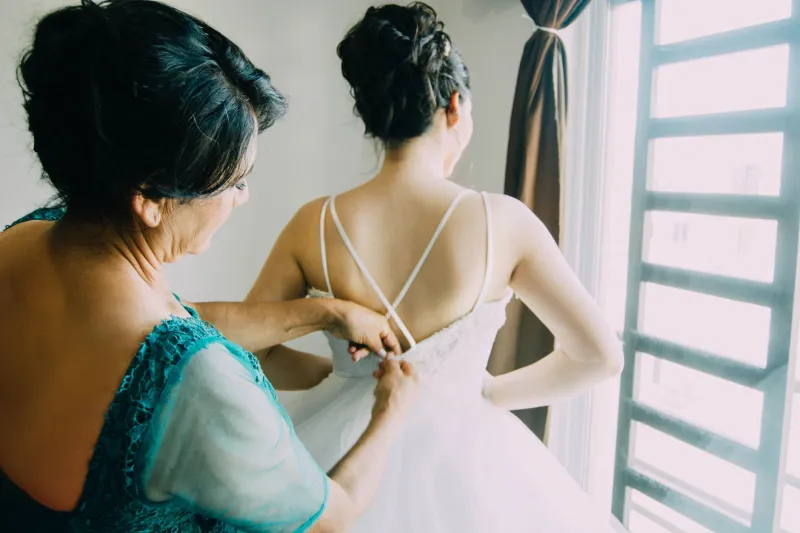
There is a quiet irony at the heart of every wedding: the people you love most are also the ones most capable of complicating the day. Not out of malice—rarely out of anything other than love—but because proximity and history carry weight. A mother's tears at the altar. A best friend's unexpected silence during the toast. A sibling who wanted a different role and never quite said so. These are not failures of planning. They are the inevitable textures of deep relationship.
What separates a wedding that feels emotionally coherent from one that feels quietly strained is not the absence of those complexities, but the presence of intentional design around them. Honoring the people who shaped you requires more than assigning them a seat at the head table or a corsage at the door. It requires thought, communication, and a willingness to treat your relationships as carefully as you treat your florals.
Understanding Why Intimacy Complicates Celebration
Wedding culture in the United States tends to frame the day as a joyful reunion—and it is. But joy and emotional complexity are not mutually exclusive. The closer someone is to you, the more history they carry into the room. Your mother may be grieving the version of you that no longer needs her in the same way. Your childhood best friend may be quietly processing the shift your marriage will bring to your friendship. Your father may feel uncertain about his role now that the traditional script of "giving you away" has evolved.
None of these feelings are problems to be solved. They are simply the reality of loving people across time. The question is how to create space for those feelings while still keeping the day focused on what it is: a celebration of a new marriage.
The answer lies in designing moments that feel specific rather than ceremonial, personal rather than procedural.
Ceremony Roles That Carry Real Meaning
The most common way couples honor close relationships is through ceremony roles—officiant, reader, escort, candle lighter. These are meaningful, but they can also default into obligation if not approached with care. Before assigning a role, ask yourself: does this person actually want this responsibility, or do I want them to have it?
That distinction matters enormously. A parent who is quietly terrified of public speaking will not feel honored by being asked to deliver a reading; they will feel anxious for weeks and relieved when it is over. A sibling who craves visibility may feel genuinely seen by being asked to escort guests to their seats—or may feel sidelined by it, depending on their personality.
Having honest, private conversations with your closest people before finalizing ceremony roles is one of the most underrated acts of wedding planning. Ask them what would feel meaningful. You may be surprised by the answers. Some people want to be present without performing. Others are waiting to be asked for something specific. The goal is alignment between what you intend and what they actually experience.
For couples working with a professional wedding coordinator, this is an area where outside perspective is invaluable. A coordinator can help you map out emotional dynamics with clarity that is difficult to maintain when you are inside the relationships yourself.
Reception Moments That Go Beyond the Formalities
Beyond the ceremony, the reception offers a broader canvas for honoring the people who matter most. The traditional touchstones—parent dances, toasts, the bouquet toss—exist for good reason, but they are also the moments most likely to feel rote if left unexamined.
Consider what your relationships actually look like, and design accordingly. If your mother has been your creative collaborator throughout the planning process, perhaps she is acknowledged during the welcome remarks in a way that reflects that specific contribution. If your best friend flew across the country and spent the weekend helping you get ready, a private moment before the ceremony—a note, a small gift, a quiet conversation—may mean more than any public acknowledgment.
The most resonant reception moments tend to be those that surprise people with their specificity. A groom who dedicates a song to his late grandmother during the reception playlist. A bride who arranges for her college roommate to be seated next to someone she has been wanting to meet for years. These gestures require thought, but they do not require grand gestures. They require knowing your people.
Behind-the-Scenes Coordination That Protects Everyone
Some of the most important relationship design happens invisibly—in the logistics and communication that occur before the wedding day arrives. This is particularly true when family dynamics are complicated, as they often are.
If your parents are divorced and have not been in the same room in years, the seating chart is not just an aesthetic exercise. If your future in-laws have strong opinions about the reception program, managing those expectations in advance is an act of care for everyone involved. If there is a family member whose behavior is unpredictable, having a quiet plan in place—a trusted person to gently redirect them if needed—is not pessimistic. It is responsible.
Professional wedding coordination is particularly well-suited to this kind of behind-the-scenes architecture. When couples work with an experienced coordinator, they gain a neutral third party who can absorb logistical pressure so that the couple and their loved ones can simply be present with one another. The goal is always the same: to protect the emotional experience of the day by anticipating its practical needs.
Keeping the Marriage at the Center
All of this intentional design serves a single purpose: ensuring that the people you love feel genuinely honored without allowing those relationships to overshadow the marriage itself. This is a delicate balance, and it is one that requires ongoing awareness.
A wedding is, at its core, a public declaration of a private commitment. The ceremony, the reception, the gathered community—all of it exists to bear witness to two people choosing each other. The relationships you honor along the way are part of that story, not separate from it. When you design your day with that clarity in mind, the result is a celebration that feels both deeply personal and unmistakably focused.
The people who shaped you deserve to be seen on your wedding day. So does the marriage you are beginning. With thoughtful planning, both are possible—and the tension between them becomes not a problem to manage, but a beautiful part of the story you are telling.