After the Last Dance: A Practical Guide to Managing Your Wedding's Final Hours and the Day That Follows
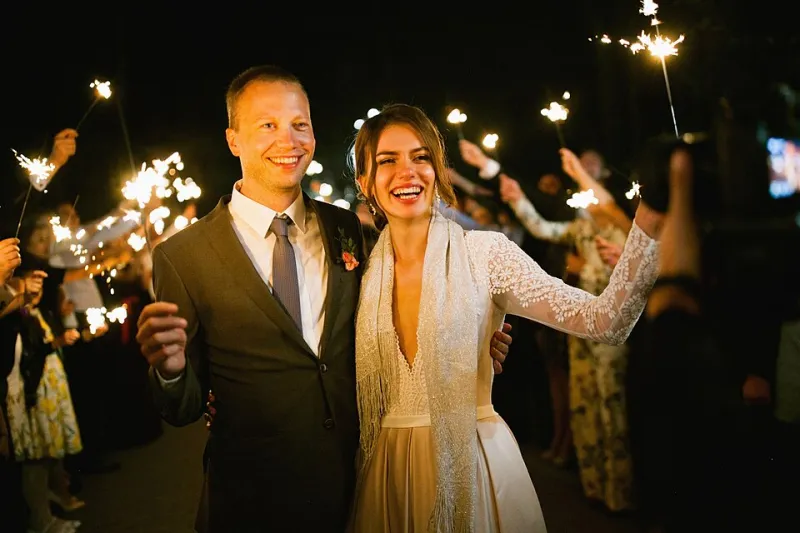
Photo: Mikhail Kapychka, CC BY-SA 4.0, via Wikimedia Commons
Everyone plans for the first dance. Very few people plan for the last one.
The final hour of a wedding reception is, in many ways, the most underestimated stretch of the entire event. Vendors are beginning to break down. Guests are saying prolonged goodbyes. The couple—often running on a combination of adrenaline, champagne, and profound exhaustion—is simultaneously trying to be present, manage logistics, and process the fact that the day they spent months planning is now, in a matter of minutes, over.
And then there is the morning after.
For all the attention the wedding industry pays to ceremony and reception design, the logistics of a wedding's conclusion—and the day that follows—remain surprisingly underplanned. That gap has real consequences. Couples who navigate these hours without a clear framework often find themselves dealing with avoidable chaos at the exact moment they most need peace. Here is how to approach it differently.
Start With the End in Mind
The single most effective thing a couple can do to ensure their wedding ends well is to plan the ending as deliberately as they planned the beginning. This means establishing, well in advance, clear answers to a specific set of questions:
- What time does the venue contract actually end, and what are the penalties for running over?
- Which vendors have hard out-times, and which have flexibility?
- Who is responsible for collecting personal items—gifts, cards, décor, personal belongings—at the end of the night?
- Where are those items going, and how are they getting there?
- What does the couple's transportation look like, and who is coordinating it?
These may seem like administrative details, but in practice they are the difference between a graceful exit and a frantic scramble. Assign specific responsibilities to a trusted coordinator, family member, or wedding planner—and put those assignments in writing well before the wedding day.
The Vendor Wrap-Up: What Couples Often Miss
Most couples understand that vendors will need to break down and depart at the end of the evening. What many do not anticipate is the degree to which vendor wrap-up requires active coordination—not just passive acknowledgment.
Your photographer and videographer, for instance, may need to capture specific end-of-night moments: the bouquet toss, the final dance, the departure. If you do not communicate clearly about what you want documented in those last thirty minutes, you may find your team packing up equipment precisely when you most want them shooting.
Catering staff will begin clearing tables and breaking down food service on a schedule tied to your contract. If you have not designated someone to oversee the boxing of leftover cake, the collection of rented items, or the return of vendor-owned décor elements, those things may disappear into the breakdown chaos.
Floral arrangements, in particular, deserve a specific plan. Do you want guests to take centerpieces home? Is the florist collecting them? Are they being donated? Having no answer to this question at 10:30 p.m. is more stressful than it sounds.
Brief your coordinator—or whoever is managing logistics—on all of this at least a week before the wedding. Walk through the breakdown sequence explicitly.
Guest Departures: The Art of a Graceful Exit
Guest departures are a social choreography that most couples leave entirely to chance. The result is often a reception that ends in a slow, uncertain drift rather than a satisfying conclusion.
Consider building a clear departure signal into your reception timeline. A formal send-off—sparklers, flower petals, a gathered crowd—does more than create a beautiful photo opportunity. It gives the evening a definitive ending, which benefits guests and couple alike. People know when to leave. The couple gets a genuine closing moment. The venue team can begin breakdown on schedule.
For weddings with out-of-town guests, coordinate transportation back to the hotel block proactively. Confirm shuttle schedules at least forty-eight hours in advance and post clear signage at the venue. Guests who are uncertain about how they are getting home tend to linger anxiously rather than enjoy the final hour—and that energy is contagious.
The Morning After: Planning for the Emotional Reality
Here is something the wedding industry does not say often enough: the morning after a wedding can be emotionally disorienting in ways that catch couples completely off guard.
The experience varies. Some couples wake up feeling euphoric and connected. Others feel a sudden, unexpected flatness—a post-event emotional drop that is entirely normal given the months of anticipation and the intensity of the day itself. Some feel overwhelmed by the number of unfinished tasks still waiting: thank-you notes to begin, rented items to return, vendor reviews to write, gifts to transport.
Planning for this reality is not pessimistic. It is practical.
If your budget allows, consider booking your hotel room or accommodations for two nights rather than one—giving yourselves a full buffer day before any obligations resume. If you are departing for a honeymoon, build in a morning of genuine rest rather than a 6:00 a.m. airport departure. The transition from wedding day to honeymoon is itself a significant shift, and it benefits from at least a few hours of unhurried space.
Designate a trusted family member or friend to handle the morning-after logistics: picking up personal items from the venue, returning any borrowed or rented pieces, and fielding the inevitable stream of post-wedding texts and calls so you do not have to.
The 48-Hour Checklist: A Framework for Finishing Well
The following framework is not exhaustive, but it covers the most commonly overlooked post-wedding logistics:
Evening of the wedding:
- Confirm all personal items (gifts, cards, toasting flutes, guest book) are collected and transported
- Verify vendor payment and gratuity distribution is complete
- Ensure wedding attire is properly stored or designated for cleaning
- Confirm transportation for couple and immediate family
Morning after:
- Retrieve any items left at the venue (check with your coordinator)
- Return rented items per vendor agreements
- Review vendor contracts for any outstanding balances or required actions
- Allow time for unstructured rest—do not schedule obligations before noon if possible
Within 48 hours:
- Begin a vendor review or feedback process while impressions are fresh
- Confirm honeymoon logistics if departing within the week
- Touch base with your coordinator or planner to close out any open items
Why This Planning Matters
A wedding's ending is part of its story. How the day concludes—whether with grace and intention or with exhausted chaos—shapes how both the couple and their guests carry the memory forward. The couples who plan their wedding's final hours with the same care they bring to the ceremony and reception are the ones who arrive at the morning after feeling complete rather than depleted.
The celebration deserves a proper ending. Give it one.