Enduring Elegance vs. Passing Fads: A Curated Guide to Wedding Choices That Age Gracefully
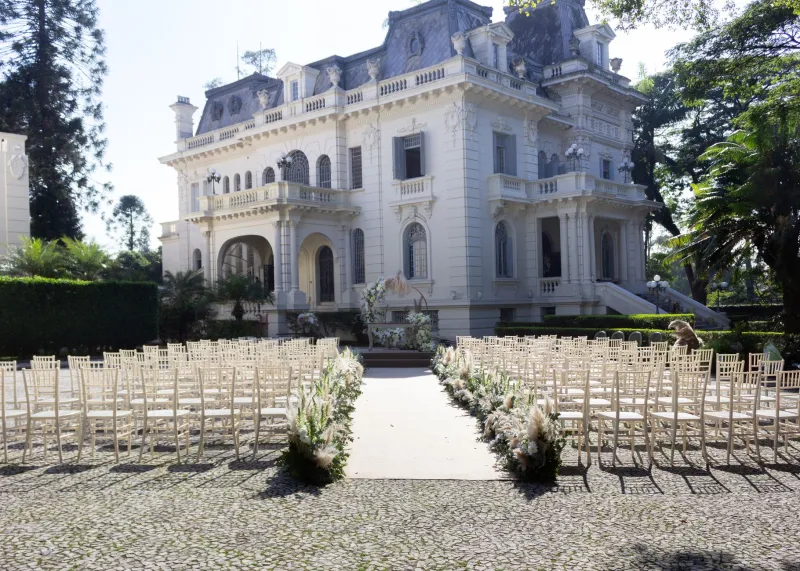
Flipping through a wedding album from a decade ago is a revealing exercise. Some images feel as fresh and emotionally resonant as the day they were taken. Others, despite being beautiful in their moment, carry the unmistakable fingerprint of a specific era — a trend that peaked and passed, leaving the photograph feeling more like a time capsule than a treasure.
The question every couple faces is a deceptively simple one: How do we make choices today that we will still love in thirty years?
After years of photographing and coordinating weddings across the United States, Matt Edge has developed a clear-eyed perspective on which aesthetic and ceremonial decisions stand the test of time — and which ones quietly fade. What follows is a candid, experience-driven guide to help couples invest their creative energy where it will matter most.
What to Keep: The Elements That Never Lose Their Power
1. Natural, Unposed Portrait Moments
The shift toward authentic, documentary-style photography has been one of the most enduring evolutions in wedding imagery over the past two decades. Photographs that capture genuine laughter, a quiet glance between partners, the spontaneous embrace that no one planned — these images transcend trends entirely.
In reviewing portraits from Matt Edge's portfolio spanning multiple years, the photographs that couples consistently return to are not the formally arranged group shots or the carefully staged tableaux. They are the in-between moments: the bride's mother adjusting her veil without realizing anyone was watching, the groom's expression as his partner appeared at the end of the aisle.
This approach to photography is timeless not because of its technical style, but because it captures truth. Truth does not date.
The verdict: Prioritize a photographer whose work reflects genuine emotional storytelling. Staged perfection has a shelf life. Authentic connection does not.
2. Classic Ceremony Structure with Personal Vows
The traditional ceremony arc — processional, readings, vows, exchange of rings, pronouncement — has endured for centuries because it works. It builds emotional tension, provides structural clarity, and creates a shared communal experience for every guest in attendance.
What elevates this framework from generic to unforgettable is the quality of the personal vows spoken within it. Couples who invest time in crafting genuine, specific, and heartfelt vows consistently report that those words remain among the most treasured elements of their entire wedding experience.
Personal vows written in 2015 do not feel dated in 2025. They feel like a window into a moment that was irreplaceable.
The verdict: Honor the structure. Personalize the words. The combination is virtually impossible to regret.
3. White or Ivory Florals with Lush Greenery
Floral trends cycle with remarkable speed. The pampas grass arrangements that dominated social media feeds in 2019 already feel era-specific. The brightly colored, maximalist bouquets of the early 2010s now read as clearly dated.
What consistently holds its visual elegance across decades is a palette rooted in whites, ivories, and rich green foliage. Garden roses, ranunculus, eucalyptus, and soft ferns have appeared in beautiful weddings across every decade of modern wedding photography — and they continue to look extraordinary.
This is not an argument against color. It is an argument for restraint. A well-composed white and green arrangement photographed beautifully will look as refined in 2045 as it does today.
The verdict: Build your floral palette around whites and greens as the foundation. Introduce color as an accent rather than the primary statement.
4. A Meaningful First Dance Song
The first dance song is one of the most emotionally loaded choices a couple makes. It is also one of the most enduring. Couples who select a song with genuine personal significance — one that reflects their actual relationship rather than what was popular during their engagement — consistently feel more connected to that choice over time.
Songs chosen because they were trending at the time of the wedding often feel disconnected from the couple's story within just a few years. Songs chosen because they meant something specific — the track playing during a first date, the song one partner sang to the other — remain deeply resonant for a lifetime.
The verdict: Choose your first dance song for meaning, not for the moment. The emotional weight of the right choice only deepens with time.
What to Skip: The Trends with an Expiration Date
1. Heavily Filtered Photography Editing Styles
Editing trends in photography move faster than almost any other aesthetic category. The heavily desaturated, matte-finish editing style that was ubiquitous from roughly 2012 to 2018 now immediately signals a specific era. The ultra-warm, orange-toned presets that followed are already beginning to feel similarly dated.
This does not mean photography editing is unimportant — it means couples should seek photographers whose editing style leans toward timeless, true-to-life color rendering rather than heavy stylization. Photographs that accurately represent how the day actually looked will feel more personal and more current decades from now than those processed through a trend-specific filter.
The verdict: Ask potential photographers to show you work from five or more years ago. If it still looks beautiful without feeling dated, their editing approach has longevity.
2. Themed Décor That Overshadows the Occasion
Themed weddings — rustic barn aesthetics, Gatsby-era glamour, bohemian desert arrangements — can be executed beautifully. They can also overwhelm the event itself, transforming what should be a deeply personal celebration into something that reads more as a styled editorial shoot.
When the theme becomes the primary visual statement, the couple's identity tends to recede into the background. And themed décor, by its very nature, is anchored to a specific cultural moment. What feels fresh and creative today can feel costume-like in a decade.
The verdict: Allow your personal aesthetic to guide design decisions rather than a named trend category. Cohesion and intention age better than theme.
3. Interactive Gimmicks That Prioritize Entertainment Over Intimacy
Photo booths, lawn game stations, elaborate candy bars, and similar interactive installations have been wedding staples for the better part of two decades. While these elements can add genuine warmth and energy to a reception, they have also, in many cases, become performative additions that guests interact with briefly before moving on.
More importantly, they rarely appear in the photographs couples treasure most. The images that endure are almost always those that capture human connection — not props.
The verdict: If an interactive element genuinely reflects your personalities and will create meaningful shared experiences, include it. If it is being added because it is expected, reconsider.
4. Trendy Venue Backdrops and Signage
The proliferation of neon signs, floral walls, and elaborate custom backdrops has created a generation of wedding photographs that are immediately recognizable as products of the mid-2010s to early 2020s. These elements are visually striking in the moment. In retrospect, they tend to feel like borrowed aesthetics rather than personal statements.
The verdict: Invest in the natural beauty of your venue rather than constructed backdrops. An authentic setting — whether a historic ballroom, a garden terrace, or a coastal view — provides a visual context that improves with age.
The Guiding Principle
Across every category — florals, photography, ceremony design, reception elements — the pattern that emerges from Matt Edge's years of experience is consistent: the choices that endure are those rooted in authenticity, intentionality, and genuine personal meaning.
Trends offer a shortcut to a beautiful-looking wedding. But beauty borrowed from the moment fades with the moment. The couples whose wedding photographs feel as alive and emotionally resonant a decade later are those who made decisions based on who they actually are — not who the current trend cycle suggested they should be.
Your wedding is not a mood board. It is a milestone. Plan it accordingly.