One Ceremony, Many Hearts: Planning a Wedding That Embraces Blended Families With Honesty and Grace
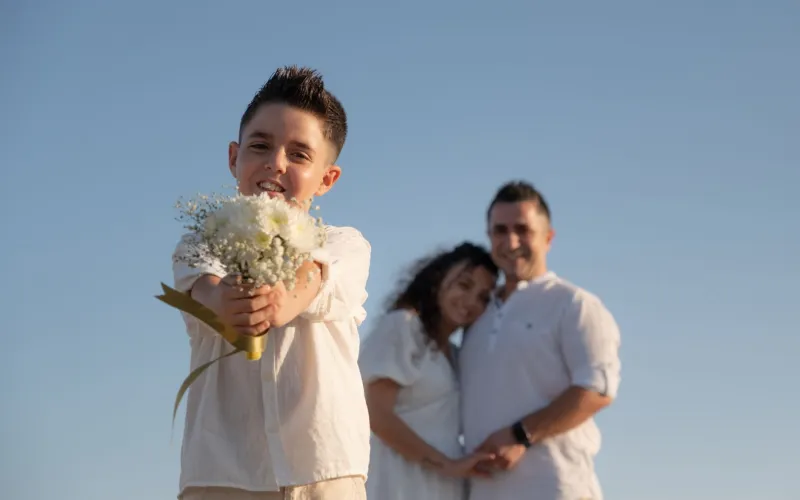
There is a particular kind of beauty in a wedding that makes room for complexity. Not the curated, frictionless beauty of a styled editorial shoot, but the deeper, more durable beauty of two people choosing each other in full view of the real lives they have already lived—children included, history honored, and future embraced without pretense.
For couples navigating blended family dynamics, wedding planning is not simply a logistical exercise. It is an act of deliberate family-building, and the decisions made during the planning process carry emotional weight that extends far beyond the wedding day itself.
Acknowledging What Is Actually Happening
The first and perhaps most important step is resisting the temptation to plan as though the family structure is more straightforward than it is. Blended family weddings are not smaller, quieter versions of first weddings. They are their own category of celebration—one that requires its own planning vocabulary.
Children who are part of the family may be excited, confused, grieving, protective, or some shifting combination of all of those things. They may have strong feelings about a parent remarrying that have nothing to do with the new partner's character. They may love their future stepparent genuinely while still feeling a complicated loyalty to the other biological parent. These emotional realities deserve acknowledgment, not management.
Couples who approach the wedding with that acknowledgment already in place are far better positioned to make decisions that actually serve everyone—including themselves.
Involving Children in Ways That Feel Meaningful, Not Performative
One of the most common mistakes in blended family wedding planning is assigning children a role in the ceremony without first having an honest conversation about whether they actually want it. A child who is handed a ring pillow and told to smile is performing for the adults. A child who is invited into the planning process and given genuine choices is participating in something real.
The distinction matters enormously—both for the child's experience and for the authenticity of the ceremony itself.
Consider what meaningful involvement actually looks like for each child, based on their age, temperament, and emotional readiness. For younger children, that might mean walking down the aisle with a parent, holding a simple role as a junior attendant, or being seated in a place of visible honor. For older children or teenagers, it might mean reading a passage, contributing to a unity ceremony, or simply being asked—privately and without pressure—what role, if any, they would like.
Some children will want to be involved. Others will prefer to witness from the periphery. Both responses deserve respect, and neither should be overridden in the name of creating a picture-perfect family tableau.
Designing Rituals That Reflect the Whole Story
Traditional wedding ceremonies were not designed with blended families in mind, which means couples often need to create or adapt rituals that more honestly reflect what is actually being celebrated. The union of two people, yes—but also the formation of a new family unit, the honoring of existing bonds, and the acknowledgment that love does not erase what came before.
Several meaningful options have emerged in recent years for couples navigating this terrain:
The Family Medallion Ceremony involves presenting children with a specially designed medallion or piece of jewelry that symbolizes their place in the newly formed family. It is a tangible, lasting gesture that acknowledges the children as central participants rather than guests at their parents' event.
A Family Vow Exchange allows the couple to make specific, child-facing promises during the ceremony—commitments about presence, respect, and love that are spoken aloud and witnessed by everyone in the room. These vows do not replace the traditional exchange; they expand it.
A Shared Unity Ritual that includes all children—whether that is a sand ceremony, a candle lighting, or planting something together—creates a symbolic moment that belongs to the whole family rather than just the couple.
None of these elements are mandatory, and not every family will find all of them appropriate. What matters is that the ceremony reflects the truth of who is in the room and what is actually being created.
Navigating the Edges: Co-Parents, Extended Family, and Unspoken Tensions
Blended family weddings do not exist in a vacuum. There are co-parents who may have complicated feelings about the event. There are extended family members on all sides who may be navigating their own loyalties and uncertainties. There are seating charts that carry emotional weight no floor plan software was designed to handle.
A few principles tend to hold across most of these situations:
Communicate early and directly. Children should hear about the engagement—and their role in the wedding—from their parent, privately, before any public announcement. Hearing major news secondhand, or in a group setting, can feel like a diminishment of their importance in the family.
Establish clear boundaries with grace. It is entirely appropriate to ask that the wedding day remain a space free of adult conflict. Communicating that expectation clearly and calmly—to co-parents, to extended family, to anyone whose presence might introduce tension—is an act of protection for everyone, including the children.
Resist the pressure to perform harmony. A blended family wedding that attempts to look like a traditional nuclear family celebration often ends up feeling false to everyone who knows the real story. Authenticity is far more compelling than a carefully maintained illusion.
The Day Itself: Giving Everyone Room to Feel What They Feel
On the wedding day, children may surprise you. They may be more emotional than expected, or less. They may cling, or they may pull away. They may deliver their moment in the ceremony with perfect composure, or they may cry, or laugh, or forget what they were supposed to do. All of it is appropriate. None of it should be corrected in the moment.
What children need most on a day this significant is the quiet assurance that their feelings are welcome—that the adults around them are not so invested in the day going a certain way that there is no room for the full range of human experience.
When that assurance is present, something genuinely beautiful tends to happen. The ceremony becomes less about producing a flawless event and more about telling the truth of a family that chose each other—complicated history, layered love, and all.
That story, told honestly, is one worth celebrating.