Let It Breathe: Why the Best Wedding Moments Happen Between the Planned Ones
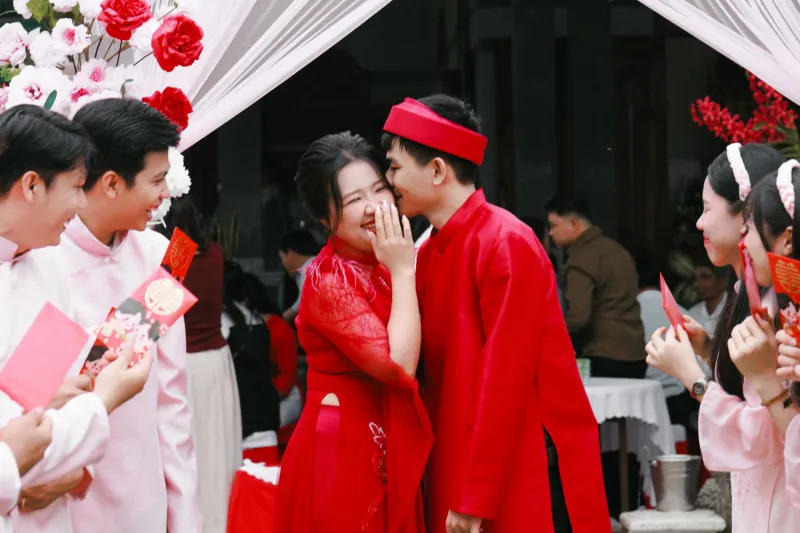
There is a particular kind of wedding photograph that no photographer can plan for: the one where the groom catches his bride laughing at something their flower girl just said, or where two college friends spontaneously break into a dance no one choreographed. These images tend to end up as the favorites — the ones that get framed, shared, and returned to for decades. And yet, they are entirely impossible to schedule.
The modern engaged couple faces a genuine tension. On one hand, professional wedding planning demands structure. Timelines, vendor cues, lighting windows, and ceremony logistics all require deliberate orchestration. On the other hand, the human experience of a wedding — the joy, the laughter, the unexpected tenderness — resists being scripted. At Matt Edge Weddings, we have witnessed this tension play out hundreds of times, and we have come to believe that the couples who navigate it most gracefully are not the ones who plan less. They are the ones who plan smarter, leaving intentional space for the day to surprise them.
The Shot List Paradox
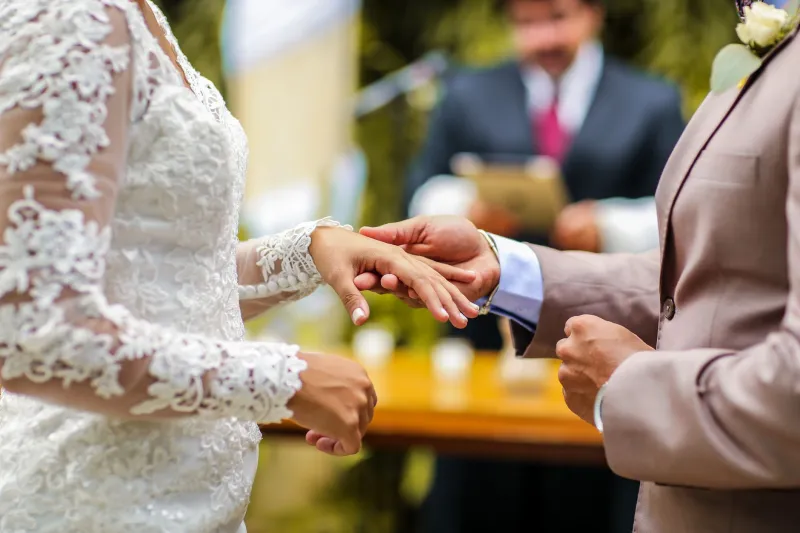
Every couple working with a photographer eventually encounters the shot list. It is a practical document, and a genuinely useful one. Capturing the ring exchange, the first dance, the family portraits — these are moments that deserve careful attention. The problem arises when the shot list becomes a script rather than a guide, when couples begin to feel that any moment not pre-approved is somehow a missed opportunity.
This mindset subtly transforms the wedding day from a lived experience into a production. When both partners are mentally ticking boxes rather than absorbing the room, something essential gets lost. The laughter becomes performed. The embraces become posed. The day begins to feel, even in the midst of it, like something happening to you rather than something you are fully inside.
The shot list is a tool. Like any tool, its value depends entirely on how it is used.
What "Intentional Spontaneity" Actually Means
At first glance, the phrase sounds like a contradiction. How does one plan for the unplanned? The answer lies not in abandoning structure but in designing a framework generous enough to accommodate the unexpected.
Consider the cocktail hour. Many couples treat this window as pure transition time — a logistical gap between ceremony and reception that exists primarily to allow for portraits. But cocktail hour, handled thoughtfully, is one of the richest opportunities of the entire day. When couples choose to move through the room rather than disappear entirely for photographs, they create the conditions for genuine reunion. Old friends find each other. Cousins who have not spoken in years reconnect over passed hors d'oeuvres. These interactions, unscripted and unhurried, generate the kind of warmth that permeates the rest of the evening.
Similarly, building buffer time into the day's timeline — fifteen minutes here, twenty minutes there — is not inefficiency. It is hospitality toward the unexpected. When a grandmother wants a private moment with her grandchild before the ceremony begins, that buffer absorbs the delay without unraveling the afternoon. When the maid of honor tears up mid-toast and needs a beat to collect herself, the room can hold that pause with grace rather than anxiety.
The Role of a Skilled Coordinator
One of the most significant contributions a professional wedding coordinator makes has nothing to do with logistics. It is the act of carrying the timeline so that the couple does not have to. When you are not mentally tracking vendor arrivals, monitoring the caterer's progress, or watching the clock for the cake-cutting cue, your attention is free to rest where it belongs: on each other, on your guests, on the day itself.
This is why couples who work with experienced coordinators consistently report that their wedding felt more present, more vivid, and more emotionally available than they anticipated. The infrastructure of the day is being managed invisibly, which means the couple can afford to be surprised — to follow the moment where it leads without calculating whether there is time for it.
Practical Strategies for Designing Open Space
For couples who want to cultivate this quality in their own planning, a few principles are worth holding onto.
Resist the urge to over-schedule the first hour after the ceremony. This is when emotion runs highest and the temptation to immediately pivot to portraits is strongest. Allow yourself at least a few minutes of unstructured time with your partner before the day accelerates again. Some of the most quietly powerful exchanges happen in this window.
Brief your photographer on your intention. Tell them explicitly that you value documentary-style captures alongside the formal portraits. A skilled photographer who understands this will position themselves differently throughout the day, anticipating candid moments rather than waiting for posed ones.
Give your guests permission to be themselves. A wedding that feels too tightly produced can make guests self-conscious. When the environment feels relaxed and unhurried, people open up. They tell the stories, they make the toasts no one prepared, they pull each other onto the dance floor before the DJ has even finished the announcement.
Accept that something will go differently than planned. This is not a failure condition. It is the nature of gathering human beings together in a moment of significance. The florist who delivers the wrong shade of ribbon, the ring bearer who sits down in the middle of the aisle, the unexpected thunderstorm that moves the ceremony indoors — these deviations from the script have a way of becoming the stories couples tell for the rest of their lives.
The Memory You Are Actually Building
Wedding planning culture in the United States has, in recent years, become increasingly oriented around the visual record. Couples spend enormous energy ensuring that every element will photograph beautifully, that the color palette is cohesive, that the details are Instagram-worthy. None of this is inherently wrong. Beauty matters, and documentation matters.
But the memory you carry in your body — the one that surfaces years later when a particular song plays or a certain light falls across a room — is almost never a visual composition. It is a feeling. The weight of someone's hand. The sound of collective laughter. The sense of being surrounded by people who love you without reservation.
That memory cannot be planned. But it can be made possible, by a couple wise enough to put down the shot list long enough to let the day breathe.